
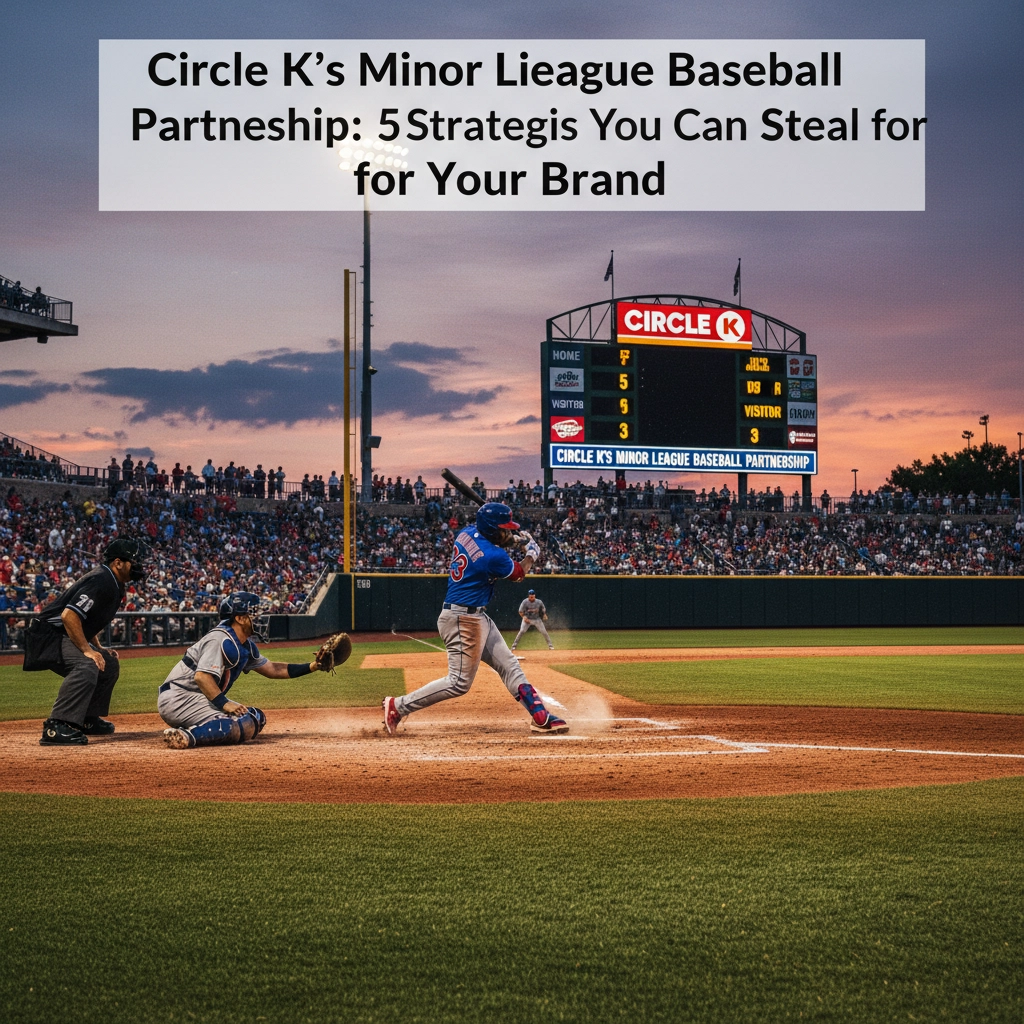
28 Oct Circle K's Minor League Baseball Partnership: 5 Strategies You Can Steal for Your Brand
Most brands think sports partnerships require massive budgets and celebrity endorsements… until they see what Circle K accomplished with Minor League Baseball. While everyone else chases the glamour of major league deals, Circle K quietly became the Official Convenience Store of Minor League Baseball: and the results speak volumes.
Here's the thing: Circle K didn't just write a check and slap their logo on some signage. They executed a masterclass in strategic partnership development that any brand can replicate. Let's break down the five game-changing strategies that transformed a convenience store chain into America's baseball partner.
Strategy 1: Scale Local Success Into National Dominance
The Circle K Approach: They didn't start with a swing-for-the-fences national deal. Circle K built credibility through longstanding sponsorships of individual Minor League teams before pitching the big partnership.
This gradual progression proves a critical point: prove ROI locally before going national. By demonstrating success with individual team sponsorships, Circle K established credibility and showed genuine commitment to baseball fans. When they approached Minor League Baseball for a national partnership, it felt like natural evolution: not a risky gamble.
Your Action Plan:
- Identify 2-3 local teams or venues in your key markets
- Execute flawless local sponsorships for 6-12 months
- Document every metric: attendance, engagement, brand recall, sales lift
- Use local success data to pitch regional or national deals
The beauty of this approach? You're not betting the farm on one massive partnership. You're building a foundation of proven results that makes larger deals feel like safe investments.
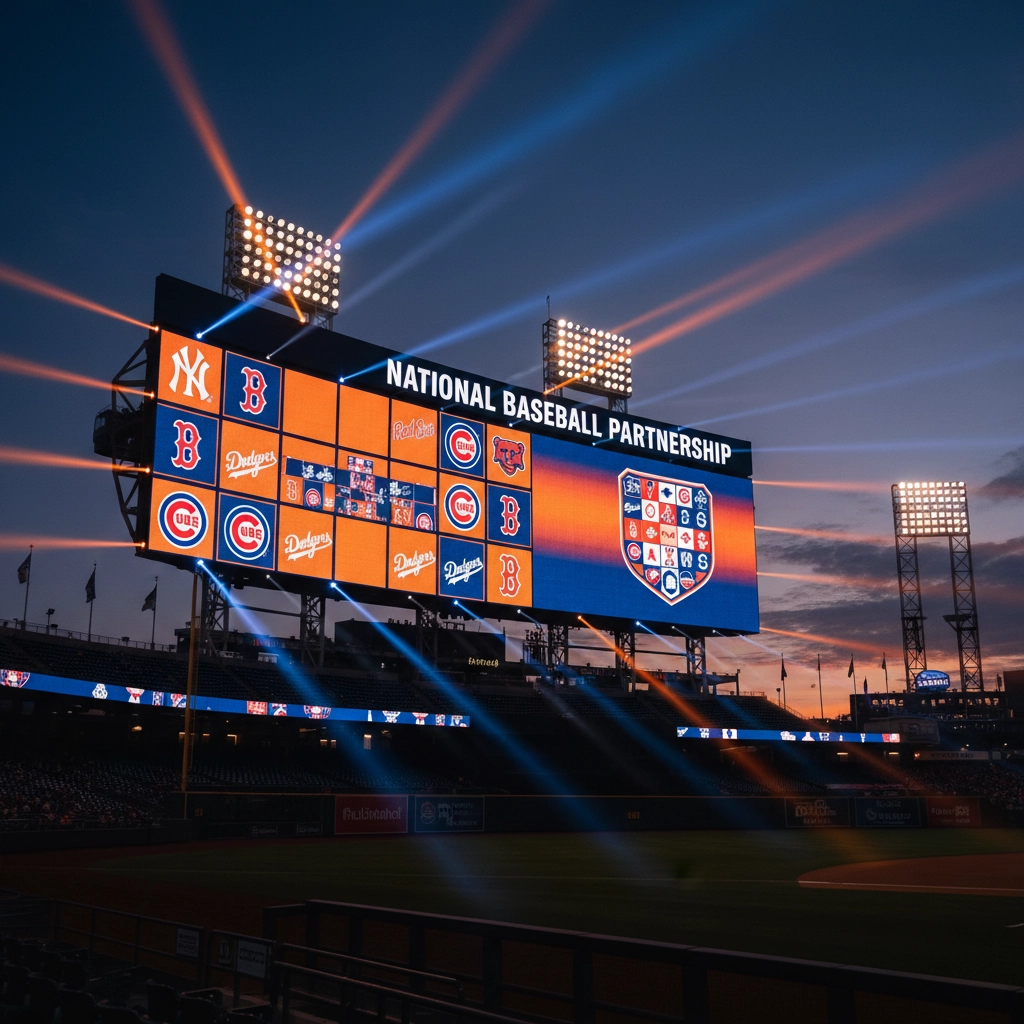
Strategy 2: Master Multi-Channel In-Stadium Presence
The Circle K Approach: Rather than settling for basic signage, Circle K secured multiple touchpoints throughout the ballpark experience. Their brand appears through in-game video board assets at most MiLB ballparks AND signage behind home plate in 37 ballparks.
This layered visibility strategy ensures multiple brand encounters during each fan visit without feeling oversaturated. Fans see Circle K during pre-game, mid-game entertainment, and every time they look at home plate action.
Your Replication Strategy:
- Primary Placement: High-visibility static signage (dugout, outfield walls)
- Dynamic Content: Video board integrations during natural breaks
- Interactive Elements: In-game promotions and contests
- Concession Integration: Product placement and sampling opportunities
The key insight: redundancy without saturation. Multiple exposures through different channels create stronger brand recall than single-channel overexposure.
Strategy 3: Create Content That Tells Stories, Not Just Sells Products
The Circle K Breakthrough: They became presenting partner of "The Baseball Traveler": an ongoing content series featuring newsletters and road trip storytelling from MiLB.com reporter Ben Hill as he visits ballparks throughout the season.
This isn't advertising. This is content-driven partnership that builds emotional connections. Circle K associates their brand with authentic baseball storytelling, creating deeper fan engagement than traditional sponsorship announcements.
Your Content Partnership Framework:
- Identify Story Opportunities: What narratives naturally align with your brand values?
- Partner With Storytellers: Sports reporters, bloggers, content creators already covering your target audience
- Create Ongoing Series: Consistent content that builds anticipation and regular engagement
- Authentic Integration: Your brand should feel like a natural part of the story, not a forced insertion
Content partnerships transform brands from advertisers into story facilitators: a much more powerful position in consumers' minds.
Strategy 4: Leverage Geographic Alignment for Partnership Credibility
The Circle K Advantage: With approximately 7,100 locations serving customers across 48 states, Circle K could position themselves as the perfect Minor League Baseball partner. Their nationwide footprint aligned perfectly with MiLB's coast-to-coast presence.
This geographic synergy wasn't coincidental: it was strategic positioning that made the partnership feel inevitable rather than opportunistic.
Your Geographic Strategy Audit:
- Map Your Presence: Where are your locations, customers, or service areas?
- Identify Complementary Properties: What sports leagues, venues, or events share similar geographic footprints?
- Create Alignment Narratives: How does your presence enhance the partner's reach and vice versa?
- Document Overlap Benefits: Quantify the mutual value of geographic alignment
When your footprint matches your partner's footprint, the partnership sells itself. Decision-makers see immediate logic in the collaboration.
Strategy 5: Bridge Audiences Through Shared Passion
The Circle K Innovation: This partnership succeeds because it connects two distinct audiences: Circle K customers and Minor League Baseball fans: through their shared love of baseball. Circle K reaches customers by connecting their brand with baseball passion, while MiLB gains access to millions of loyal Circle K customers.
This isn't one-way brand promotion. Circle K positioned themselves as facilitators of fan experiences and baseball passion. By being present during moments of genuine enthusiasm, they become woven into customers' emotional connections to the sport.
Your Audience Bridge Strategy:
- Identify Passion Overlaps: What do your customers genuinely care about beyond your products?
- Find Shared Values: Where do your brand values intersect with potential partners' audiences?
- Facilitate Experiences: How can your brand enhance fans' connection to their passion?
- Create Emotional Associations: Position your brand within positive emotional contexts
The most powerful partnerships don't just reach new audiences: they deepen existing relationships by connecting with what customers already love.
Why Most Brands Fail at Sports Partnerships (And How AAAA Sports Ensures Success)
Here's the brutal truth: 97% of sports partnerships fail to deliver measurable ROI because brands approach them as advertising purchases instead of strategic collaborations.
Circle K succeeded because they understood that effective sports partnerships require:
- Strategic Planning: From local proof-of-concept to national rollout
- Multi-Channel Integration: Coordinated touchpoints that reinforce rather than compete
- Content Strategy: Stories that build emotional connections
- Geographic Intelligence: Alignment that creates mutual value
- Audience Psychology: Understanding what truly motivates fan behavior
At AAAA Sports, we've perfected the partnership development process that Circle K used. Our team handles everything from local market testing to national rollout coordination. We don't just broker deals: we architect partnerships that deliver sustained ROI.
Ready to steal Circle K's playbook for your brand? Our partnership strategists have already identified the top opportunities in your market segment. From Minor League Baseball to veteran-focused initiatives and family-friendly events like dog days at the park, we know which partnerships deliver results.
Contact AAAA Sports Today:
📧 info@AaaaSports.com
📞 +1 970-465-2667
🌐 aaaasports.com
Share This Article:
#MinorLeagueBaseball #SportsMarketing #BrandPartnerships #CircleK #SportsSponsorship #MarketingStrategy #AAAA Sports #SportsAdvertising #BrandActivation #PartnershipMarketing
Sponsored by Corporate America – Where strategic partnerships transform brands into household names.